-

-
Showing posts with label self reliance. Show all posts

Monday, February 16, 2015

Starting Garden Plants for the Spring

Even though it seems way too early to be thinking about plants for spring, it isn't.
There is a lot to be done before you start the seeds for next years garden.
A list:
Read seed catalogs, choose too many seeds
Dig out saved and older seeds, figure out which ones are still good
Buy potting soil or use your own compost
Beg, borrow and otherwise gather enough 2" to 4" pots and waterproof trays
Cut plant tags out of yogurt cups
Make chamomile tea for watering seeds
Set up a card table in a warm room, near a plug in
Get out the old lamp and put it under the card table
Hang and plug in grow lights, if you don't have a window nearby

It is said that the best time to start tomato and pepper plants for our growing season in Oregon's Willamette Valley is mid February. The basic rule of thumb is 6 to 8 weeks before the time you will want to set them in the ground (with tomatoes and peppers that is when the night time temps are above 50 degrees.) It isn't good to set them out any sooner. I know from experience that the poor little plants will languish in the cold soil in that inevitable cold snap that comes weeks after the last frost.
I did an experiment a couple of years ago in which I started several tomato plants in my usual method. I planted several in the garden as soon as the last frost had gone by and then I planted more of the tomato plants a month later when the soil temperature reached a solid 48 degrees.
The result was extreme. The toms that were planted early never even reached two feet by the end of the summer. They were permanently stunted and barely produced. In contrast the later tomato plants did as well as expected. What surprised me the most was that even though the early plantings received more sunlight than the ones I kept in my window, they were so effected by the temperature that they just couldn't recover.

When is the best time to plant? This can be a complicated judgment call with erratic weather patterns and late Springs, but unless you are psychic, you have to just shoot for a goal time and roll with the changes.


A nice thing about starting your own plants is that you will have plenty to make mistakes with. No matter what happens to my plants in the garden, birds, bugs or weather, I have replacements on my windowsill.

And if I don't use them all, I have several friends who are happy to take them!


Friday, June 6, 2014

Green Bean, The Scary Bean


I have canned lots of fruit and jams but I have not canned many vegetables or meat. It takes skill and special equipment to can these. I have my childhood training (which was dubious at best. Watching your Mom and Grandma can doesn't really count.) and I have taken a couple of extension classes, but I have put off the meat and veggies until this summer because of the exacting skill and danger it involves.

And before you start thinking about how that never really happens, let me just say IT DOES HAPPEN and it happens to even experienced food preservers. Canning must be done with special care and within very specific parameters.

A Pressure Canner should be tested every year to be sure that it is reaching full pressure. The pressure dial can sometimes be wildly off. Recipes must be followed exactly. Jars must not be packed too tightly or the core temperature will be too low to kill bacteria and you will have a jar of poison on your pantry shelf.

Three years ago, our friends' mother was found paralyzed on the kitchen floor from one bite of a home canned green bean. ONE BITE! They finally figured out what had happened to her (she was paralyzed and could not tell them) when they found the contents of a home canned jar of green beans in the kitchen garbage. She has recovered somewhat from this terrible experience, but her health is not what it used to be.

She had been canning her own beans for over 30 years without incident which is very sobering.

Green beans carry a special danger because they have the bacterium C. botulinum, bacteria living on them naturally from the soil and they are very low acid. Acid content inhibits the anaerobic bacterial growth which leads to Botulism.


These traits aren't a problem when the beans are fresh, the bacteria is harmless to humans by itself. But if they are present when the beans are canned improperly (not hot enough, for long enough, in the middle of the jar) the bacteria lives on and thrives in the airless environment of the jar, creating a colorless, odorless toxin.

This is an important point. The bacteria is not what makes you sick, it is the toxin it produces. The toxin does not smell or have a color. It is invisible and it is deadly.

Because it is a toxin, a poison, you cannot cook it out. This is a point that I have had to explain to many a bachelor/ bachelorette. Boiling a batch of home canned beans will NOT make them safe! The toxin is still in them. Boiling kills bacteria but it does nothing to the toxin. It will still make you sick. (This also goes for food that has been left in the car or on the counter.)

Many canning techniques have been changed through scientific research, so "Grandma's Recipe" is not necessarily safe either. An excellent resource for techniques, skills and recipes that have been scientifically tested can be found at The National Center for Home Food Preservation website.
I started palnting these purple green beans when the kids were little. They are much easier to find when picking. Sadly they turn deep green when cooked.
So I will be planting a full row of green beans and we will be eating them fresh until we can't face another serving. Then I will make the rest into Dilly Beans which are high in acid and are an amazingly popular and delicious treat in the winter.

If you choose to can green beans please follow tested and approved recipes and directions. Just any old video or recipe on the net is not safe.  My teacher, at the extension office, is very sad to see so many dangerous videos and recipes appearing on the internet. Home canning low acid foods safely is a very precise science.

So, green beans are off my list for home canning but I am a Homesteader in a modern world. I can freeze my green beans or I can buy them, properly canned (without the BPA plastic lining).
And I am fine with that. My health is too big of a price to pay for my pride.

Friday, May 30, 2014

Deciding What to Plant and How to Preserve It.


Because we are putting in our Homestead gardens right now, we have this summer's food preserving to consider. How many plants of each type is an important decision. You don't want to plant too much of one thing and not enough of another. And how many jars of this are left from last year and how many bags in the freezer of that is integral to the decisions we make.

It can be complex to manage garden space, time, resources and appetite. And when you are attempting to be self sufficient it does not pay to waste or disregard any of these factors.
I have been using Ed Hume's Garden Almanac for several years and I really have had very good success with it. It has a planting chart in the middle which gives you the number of plants for a family of four, for easy reference. This makes it a lot easier to decide on how many rows of what to plant.
One of the main quandaries for me is how to preserve what we grow so that it gets eaten in a timely manner. If something tastes or looks slightly off, my experience is that we put off eating it until it is too old to eat. That is important to know about ourselves and instead of putting all that work into preserving food we will end up feeding to the chickens, we keep what works each year and drop the rest.
 
Our most recent failure was canning plums which looked beautiful in the jar but came out of the jar like disgusting bags of goo. I would rather put that work into other things.

We have used the freezer in the past to do most of our preserving, and it is the very easy option. But we are trying to take this one step further and preserve our food with methods that will not be vulnerable to our frequent power outages.

The Homestead is on top of a hill, all by itself and the power line that comes to it makes its way through a lot of timber. Since we are the only ones on this half mile stretch of wire, the Power Company does not view us as a high priority. So when we have a wind storm and our power goes down, we call the Power Company and then we wait...

Sometimes we wait four or five days for our power to be restored. In the meantime we can't really open the freezer or it will substantially decrease the amount of time that the contents will stay frozen. So we sit in limbo. Having food to eat but unable to access it. We cheat sometimes if it is very cold out or we think the power might be back soon, but it gets us thinking about how silly it is to be so dependent on the Electricity.


One item that has definitely been a big help in our quest to use the freezer less is our dehydrators. 


I picked my first one up at a garage sale and we used it so much that every time I see one at a thrift store or yard sale, I snap it up. 

We found out this was the very best way to preserve our plums for winter. They are chewy and tangy. A real treat in the depths of winter or on a car trip. My dad keeps the dryers cranking for a week or so and put away about 50 quarts of these yummy little delights last year.

 It's also my favorite for mushrooms.


Buck has become the families expert on fermenting foods like cucumbers and cabbage. 

He makes the BEST kraut. He keeps it chugging away on the counter year around, so we are definitely putting in several plants of those.


When it comes to things in jars, we love our jams and peaches. 
I also like to turn our tomatoes into pre-made pasta sauce in jars because I find we use it much more often if it is already seasoned and simmered down. It makes a fantastic last minute meal for us. And this knowledge informs what type of tomato I would like to plant more of- a sauce tomato like Howard German. I however, do not bother drying our tomatoes. Oregon tomatoes just don't have that intense flavor that I want in my dried tomatoes, and they take forever to dry.

My mom and grandma used to can chicken and venison, but we haven't yet. I have a future post on why, but for now I'll say it takes a set of special skills and tools to can meat and low acid foods safely and I haven't been that brave yet.
So these things go in the freezer for now.

I will say it has taken a few years for us to learn what and how much to plant let alone how much we will actually eat. We tend to think we love something more than we really do. For instance we went to a lot of trouble making a ton of strawberry jam a couple of years ago. We just gave away several pints of it because, well, there is only so much jam you can eat. I would say next time 12 pints of each type of jam would do us just fine. Sometimes it's hard to remember that condiments last for weeks in the fridge and variety is a nice thing to have in the winter.

Then other times I only make a few jars of something and we wish all winter we had made more. Like my pickled pepper experiment and the few jars of apple sauce I made. There will be much more of those two this winter!

What are your favorite foods and methods for preserving them?

Friday, May 16, 2014

Old Books and Iffy Wisdom

 
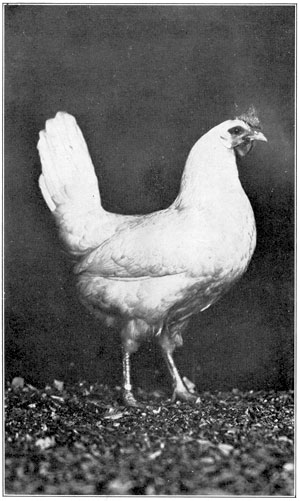
Books can take a lot of the hit and miss out of Homesteading and save a lot of time. In my search for a recipe to create my own chick-starter feed, I found a fantastic online resource which has cataloged and digitized old farming books, including this great old book on chickens and eggs. Although it is in a writing style that is a tad bit outdated, I found it very informative and fun to read.

I am supplying a link to this Journey To Forever website with one caveat, read these old books with some modern discretion.

I have personally experienced the fallacy of a few of my Grandpa's kernels of wisdom.

Most recently debunked is his recipe for a can of "snuff" (chewing tobacco) soaked in a bucket of soapy water to make a "pesticide", which turns out to kill bugs but is also extremely TOXIC TO EVERYONE!

I will be double checking on the nutritional information given in this book. New science trumps all, in my mind.

I think it's very important to verify any old knowledge before implementing it. Just remember that in the "old days" they also thought Opium was an excellent medicine for everything from intestinal gas to a babies cough.

I was once allowed to peruse the personal effects of a Doctor who practiced in one of the local settlements circa 1900. Among them was a book of recipes for medicines. I was doing research at the time for herbal remedies and was thrilled to glimpse back into time and see what the pioneers were using for their ailments. I was astounded to find that over 90 percent of the concoctions in the notebook contained "Tincture of Poppy".

Don't buy the healing effects of Snake Oil just because it's written in a book.

Your local extension office is an excellent resource for science based information to help you with Homesteading activities and dilemmas and, just to get you started, here are a few of the Extension web sites I use often for everything from managing livestock and erosion to identifying a disease in my beans:

Oregon State University Extension
Oklahoma Cooperative Extension
University of Minnesota Extension 
Washington State University Extension


Monday, April 15, 2013

Two Days


Thank heavens for our Good Friend who keeps things going while we are gone. I have been traveling a lot this Winter and Spring and that puts me in an odd position of "visitor" in my own life at the Homestead. I have not unpacked my suitcase in 14 weeks. Yes, I have done laundry, but I have not unpacked and I have more travel in the near future.

This puts me at the Homestead about 2 days a week. These two days basically consist of this:


Kiss Mr. B and Mrs. B one hundred times.


Throw the "chicken" 200 times.

Change into my grubbiest clothes.

Chug a large mocha pot of espresso. Eat a boiled egg and potato chips.


Proceed to move 20 wheel barrows of horse poop from here
 

to here.

Set/ clean mouse traps.

Assess and buy animal feed.

Tighten ropes holding tarp roofs over our leaky trailers.

Eat a strange soup made of: one can of un-drained green beans, one can of condensed chicken noodle soup and one can of chicken pieces. Eat from pan.

Take a shower outside but forget to bring a towel.

Play a couple games of solitaire.

Think about building a little campfire, 
 
but go to bed instead.

Sleep the sleep of the exhausted.

Wake up sore and stiff. Drink large cups of black tea and honey to wash down Advil and Benadryl.


Put on clothes that are now even grubbier.

Kiss Mr. B and Mrs. B one hundred times.

Look all over the farm for the "chicken".  Now, where did we walk yesterday?

Check what might still be edible in the garden.

Get the "Witches Knots" out of the horses manes and tails.

Consult about strange or bothersome chicken behaviors/ act accordingly.

Weed, weed, weed, mow.

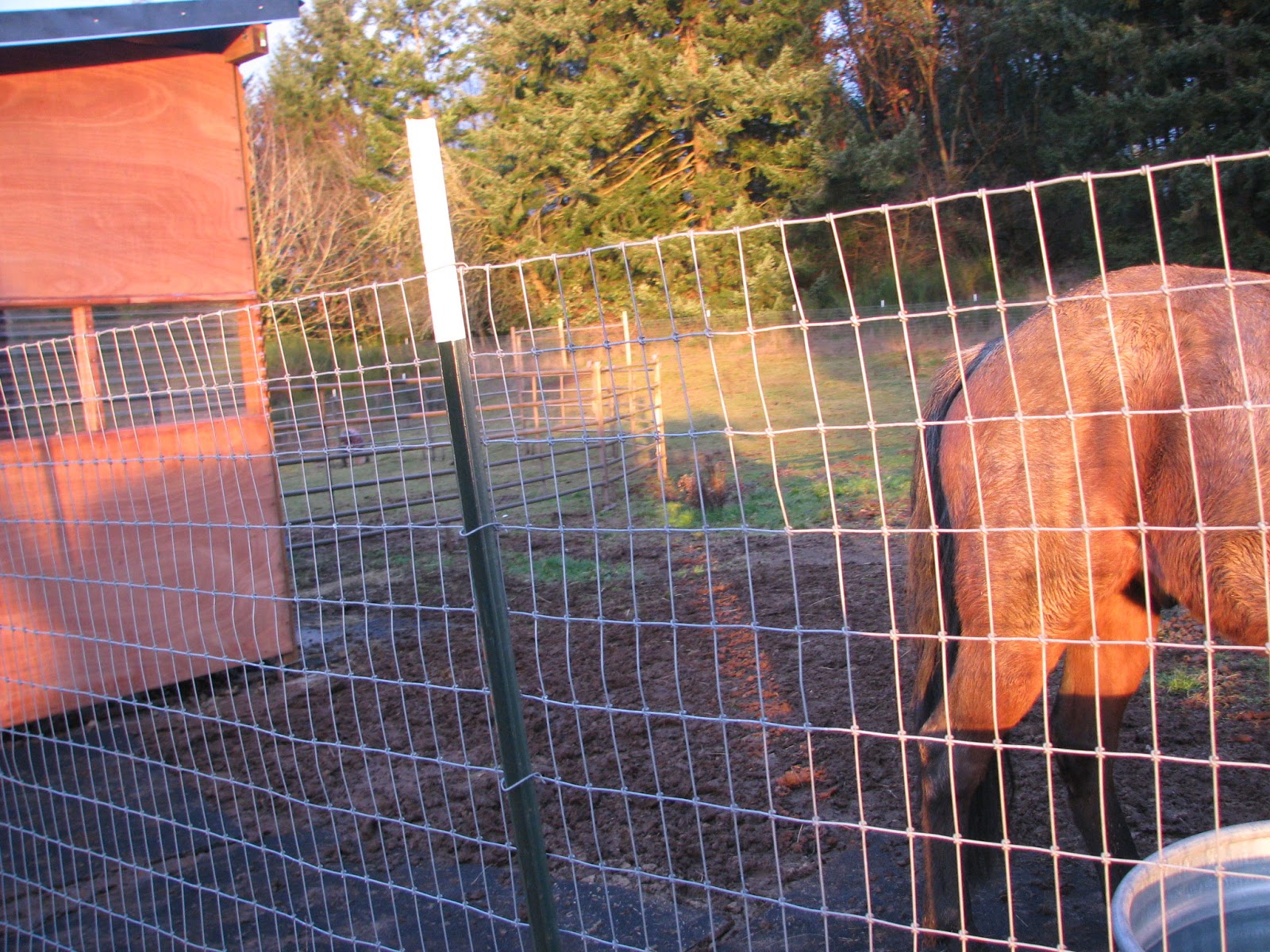
Patrol the fence line. Chop/pull Scotch broom and Blackberries.

Start summer garden plans.

Get propane tanks filled.

Chug a large mocha pot of espresso. Eat a handful of cashews and an apple.

Spy on the bee hives from a distance (no close contact with the bees, as promised to my family). All seem fine.

Plan more weeding and mowing.

Change carburetor on mower, thereby removing most of that bothersome skin on my knuckles.

Eat rest of strange soup, hastily heated.

Shower as hail storm pelts me.

Fall into bed. Watch an episode of "Downton Abby" on the computer. Fall asleep before it ends.
Let dogs out in middle of night (they claim they need to pee, but just stand on the deck for 5 minutes and then come back in).

Sleep fitfully until sunrise.

Repeat tea and pill breakfast.

Dress in "town clothes" and repack bag.

Stand on the deck, breath deeply, listen to the birds sing their hearts out and the frogs croak like there is no tomorrow.
Say to Mr. and Mrs. B

"I wish I didn't have to leave... But I'll see you next week."